Why the magpie?
How Gazzetta got its name, and the idea behind it.
The short story
In the 1600s, some of Italy's first newspapers were news sheets called gazeta, named after a small Venetian coin that matched the papers' price. When they published their first editions, they had to explain why anyone would want to pay money for a piece of paper.
For the Venetian paper, the value proposition was:
Everything that is to be sold, to be bought, to be rented, things found, lost, or stolen; in Venice, or outside of Venice, the price of goods, the value of exchange rates, and other news, partly entertaining and partly useful to the Public.

We remember the paper's power in distributing ideas. We forget the proposition that motivated people to buy that paper. In this moment of media disruption, that's the part worth going back to.
In 1760, a letter to the printer of the Gazzetta Veneta showed an editor already thinking the way we're arguing media should think now:
Do not let the quality of the printing worsen, for I want all the Manifestos, advertisements, and notices to be beautiful and well printed; but the many promises that people make are rarely fulfilled. Remember that serving the Public well and punctually brings profit to you, and bestows upon whoever does so the reputation of an honest and frank soul.
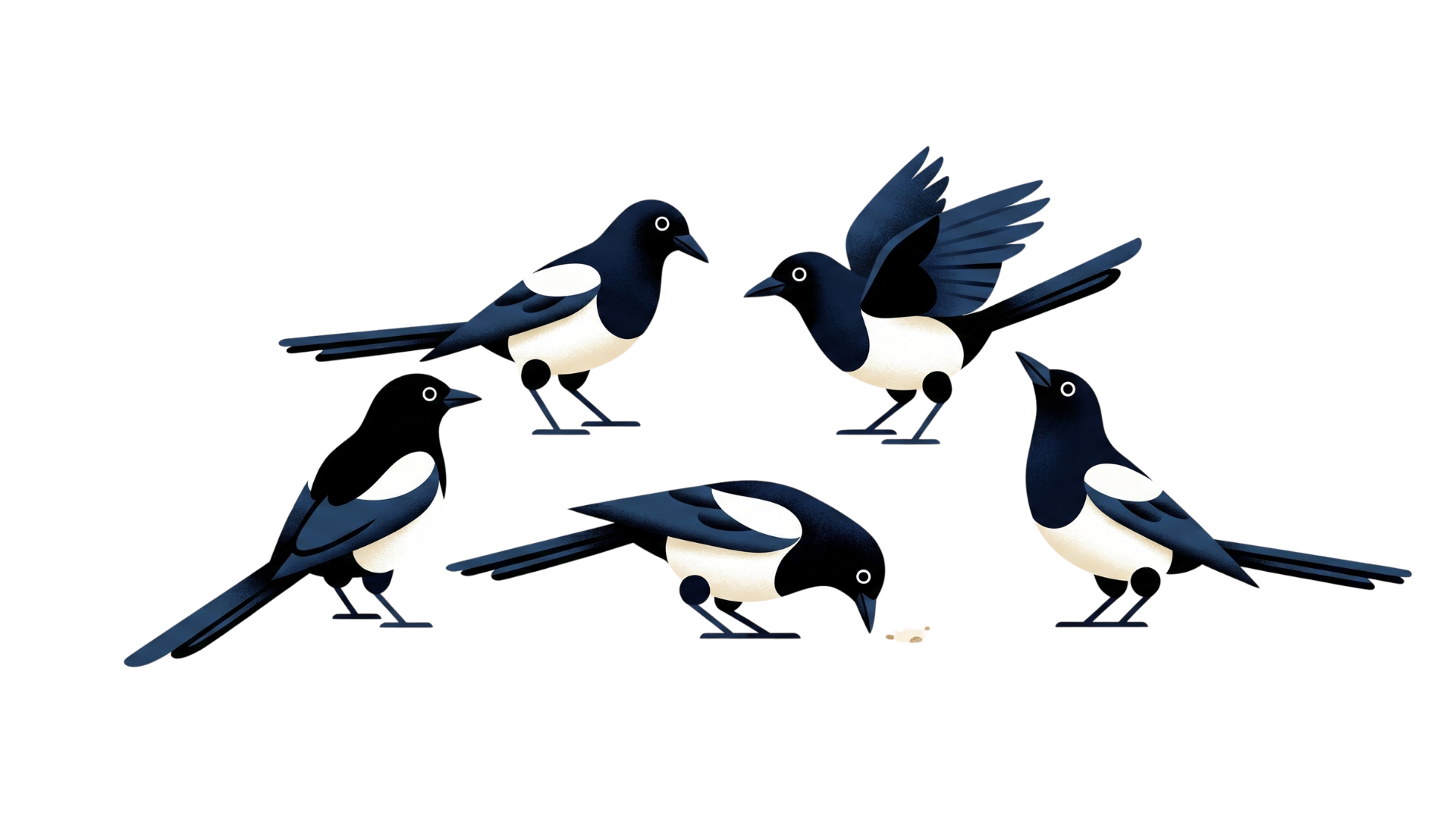
So why the magpie? The word gazzetta is etymologically linked to gazza, the chattering magpie's name in Italian. Contrary to their reputation, magpies aren't simply collectors of shiny objects. They're highly selective and attuned to their environments.
Those two stories felt like a good model for media work: relevance comes from understanding how people live, not from broadcasting louder.
The longer story
Autocratic environments flatten media into sameness. But the societies underneath are anything but. They're rich in experiences that go unheard.
We started out looking for better stories. We've reported from, worked with, and led newsrooms in some of the hardest places for journalists, including China, Myanmar, Iran, Afghanistan, and Russia. Along the way we learned that what matters is writing not just about communities but for them.
When journalism connects with how people actually live, it creates its own momentum. People share it because it's useful, not because an algorithm pushed it. That's the foundation of resilience: information people choose to pass on.
How organizations navigate these conditions offers lessons for anyone providing civically relevant information. The path forward is about competing on utility.
We work with newsrooms, technology companies, and funders through audience research, service design, digital security, and iterative product development. Our mission is to help information providers move from a theory of change to a theory of service, addressing the problems of irrelevance and disconnection.
The hardest challenges are rarely external (surveillance, harassment, intimidation, violence). More often they're internal: lacking clarity on who you serve, what problems you solve, and how to measure success beyond reach metrics. The organizations that last are the ones willing to test, iterate, and discard what doesn't work.